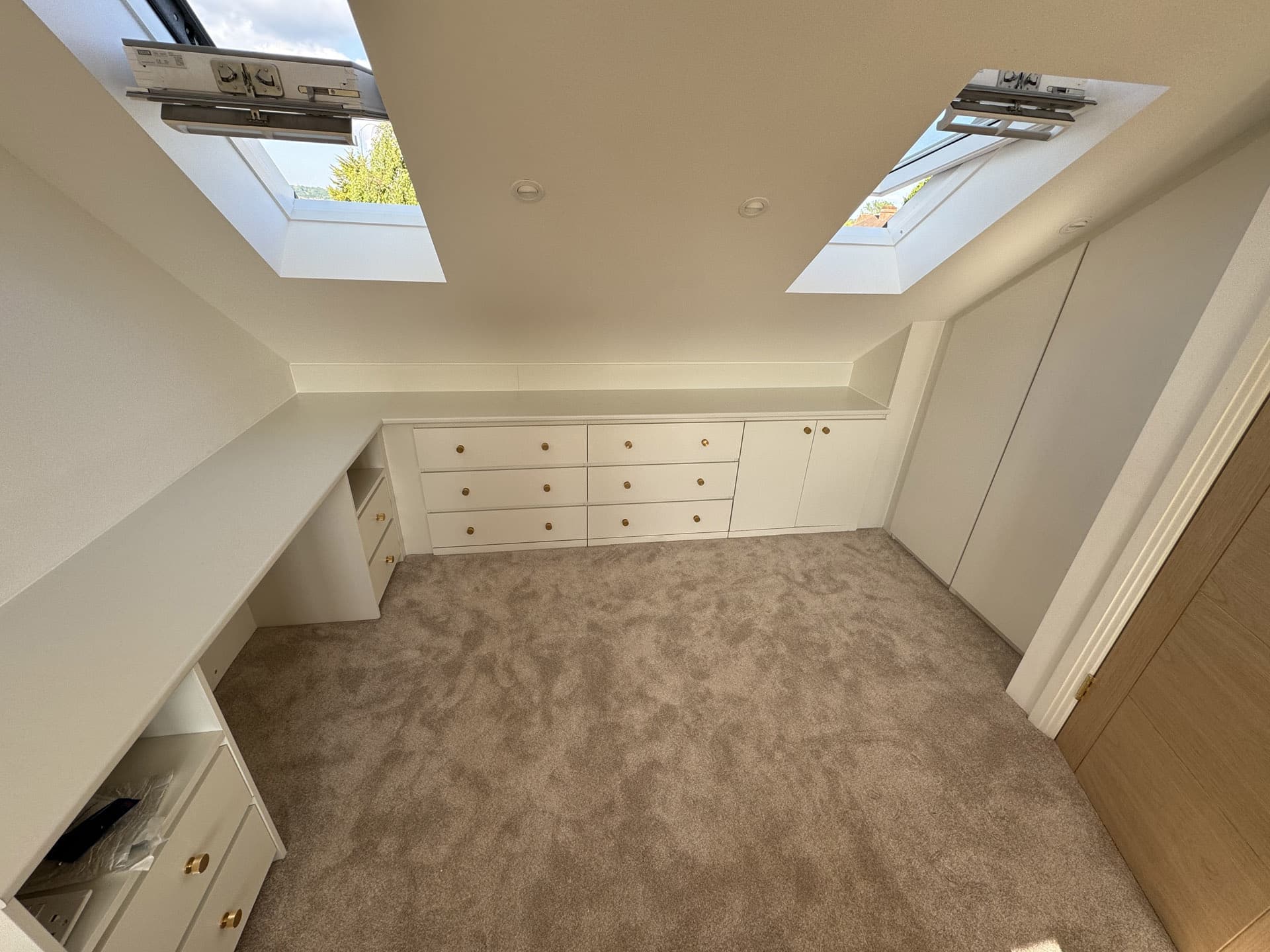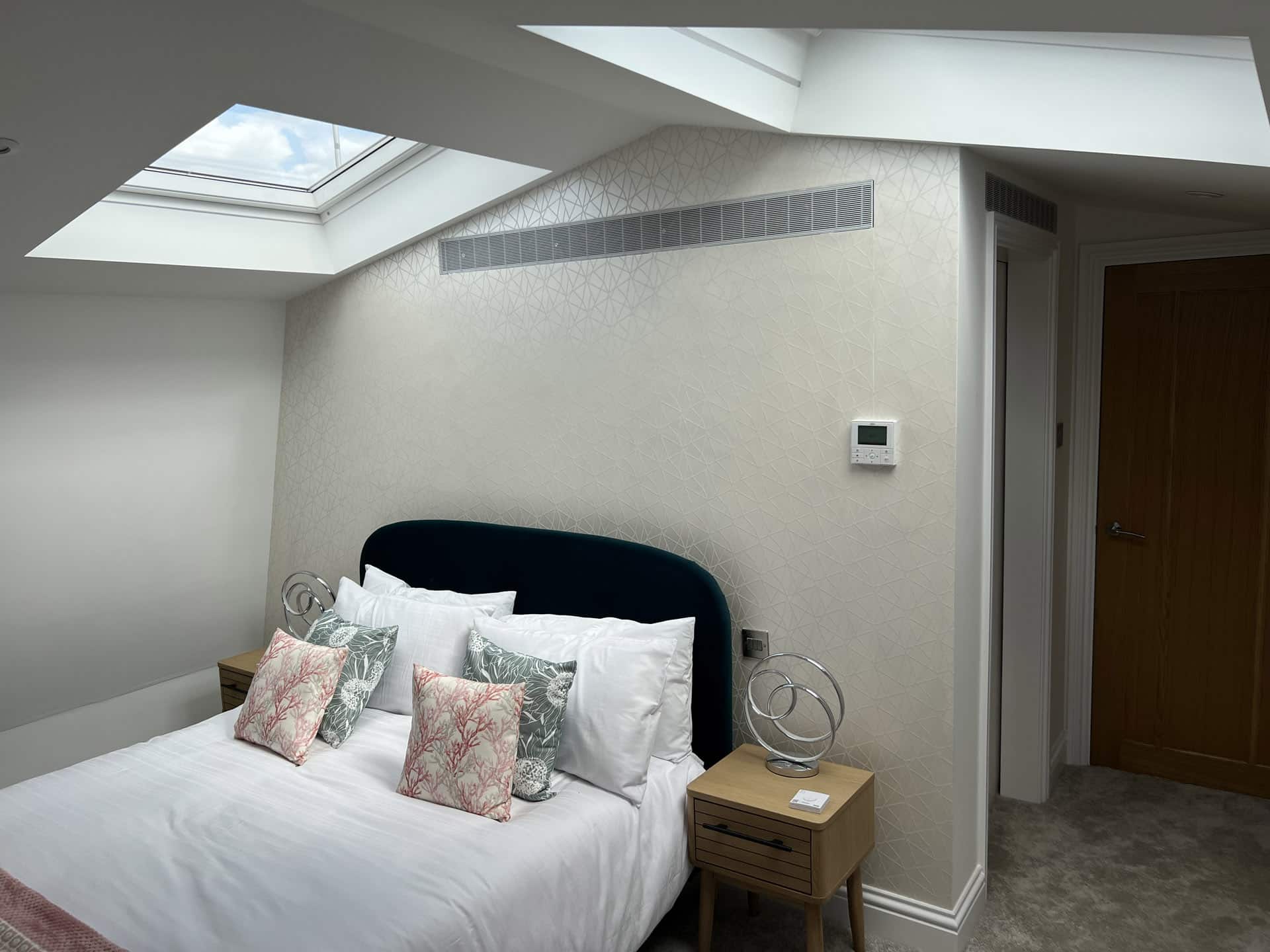
Home Offices
- Dedicated workspaces for remote work, study and business use
- Garage, loft, spare room, garden room and extension options
- Bexleyheath-based builders covering Dartford and surrounding areas

The process begins by looking at how you work and where the office should sit within the home. TRM Innovations Ltd will consider the available space, noise, privacy, natural light, heating, sockets, internet access, ventilation, storage, flooring and whether the room needs to be used by one person or shared by more than one member of the household.
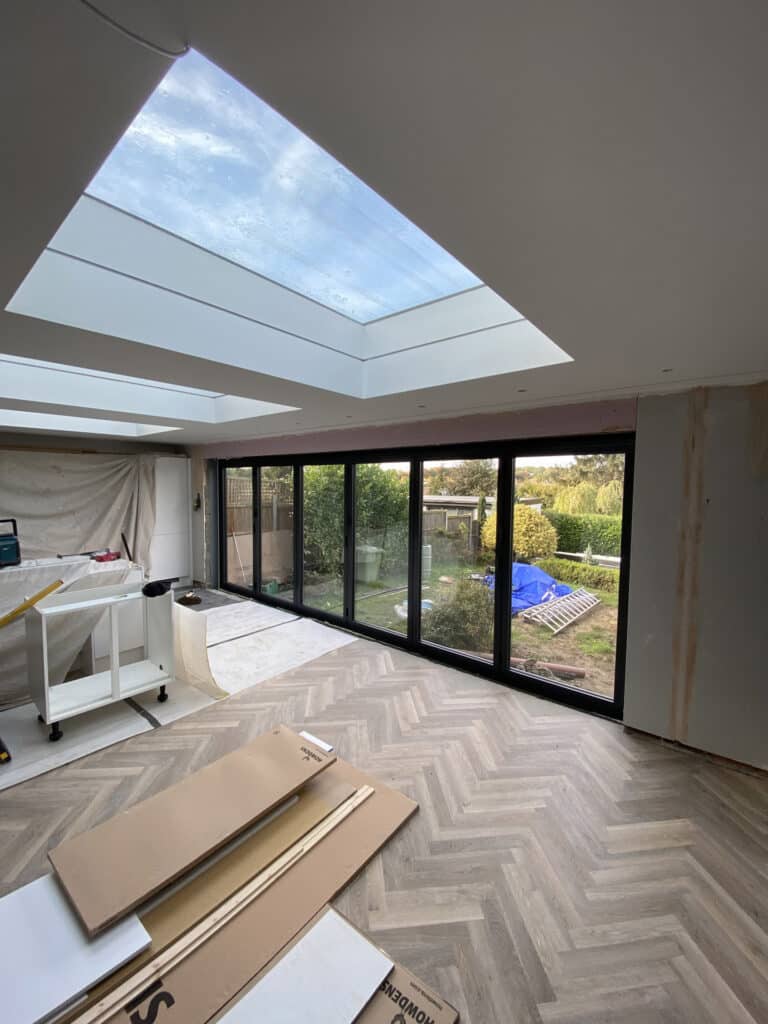
Once the right area has been chosen, the building work can be planned around the existing structure. A spare bedroom may need refurbishment and built-in storage, while a garage home office may need insulation, flooring, a new window, plastering, electrics and heating. A garden office may need groundwork, base preparation and service routes checked carefully. TRM Innovations Ltd can explain the practical options before providing a realistic quote for your home office project.
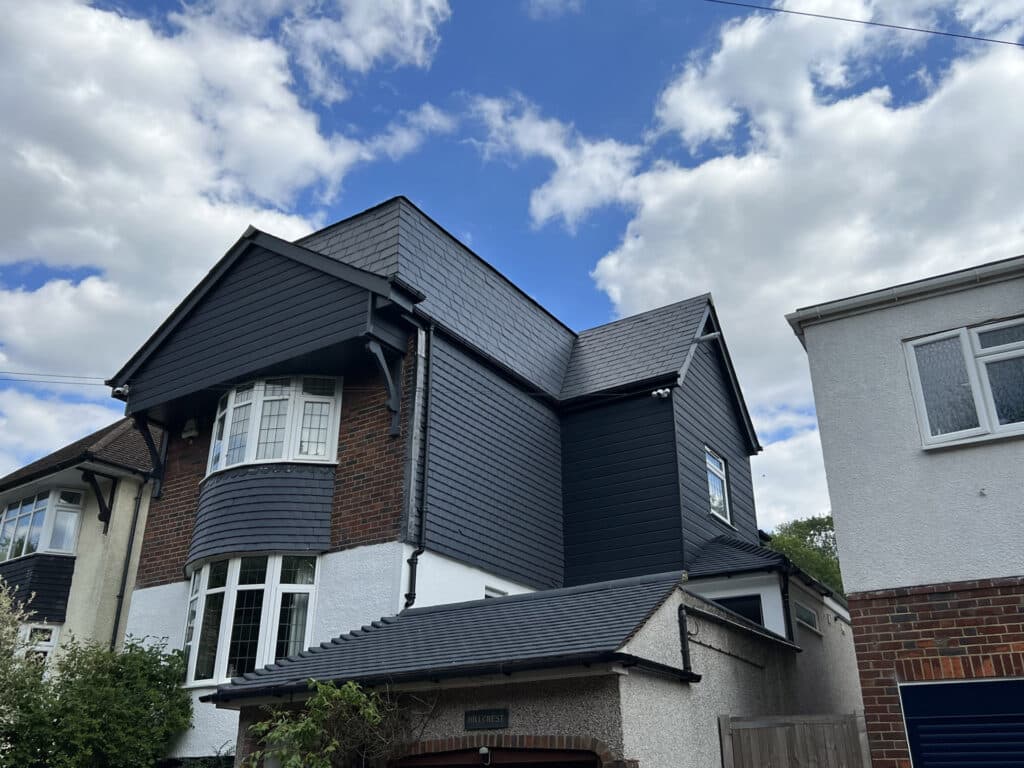
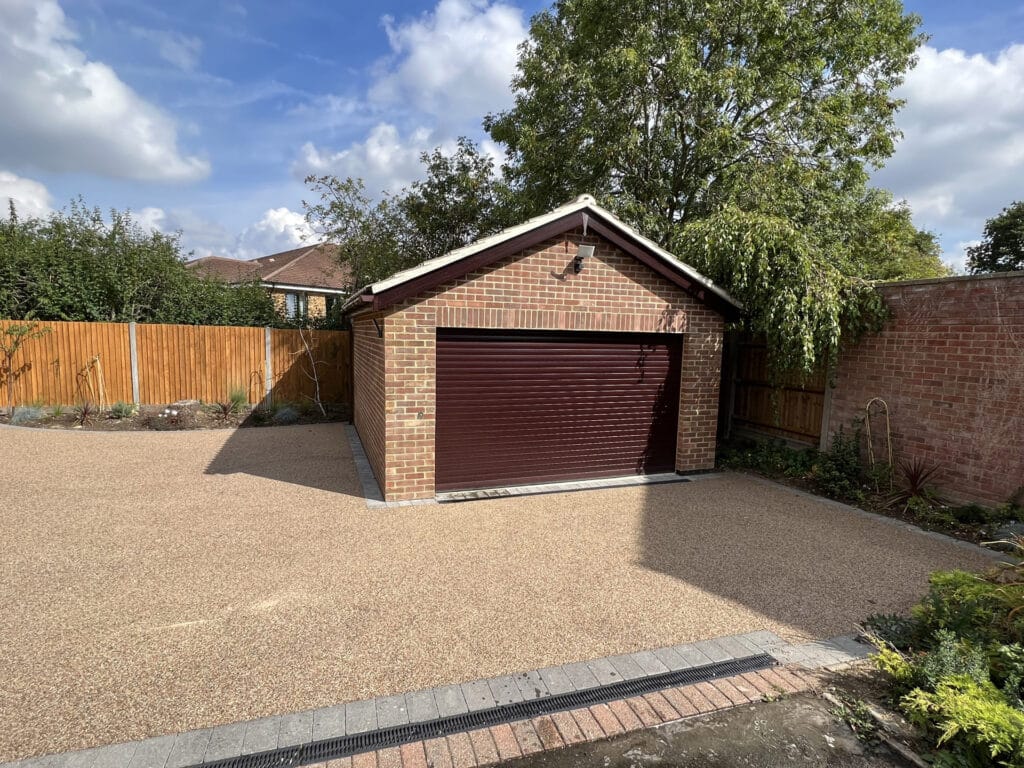
A good home office should feel separate enough to focus, but still fit naturally into the property. For some homes, the best option is converting part of a garage into a quiet workspace. For others, it may mean refurbishing a box room, improving a loft area, adapting a garden room, adding built-in storage or creating a small extension with natural light and proper insulation.
TRM Innovations Ltd has been running since 2014 and is based in Bexleyheath, covering Dartford, Welling, Sidcup, Bexley, Blackfen, Erith, Crayford and nearby parts of South East London and Kent. If you are looking for home office builders, a garage to office conversion or a better working space at home, contact TRM Innovations Ltd for clear advice and a free quote.
TRM Innovations Ltd works with homeowners across Bexleyheath, Dartford, Welling, Sidcup, Bexley, Blackfen, Erith, Crayford, Abbey Wood, Eltham, Chislehurst, Bromley, Greenwich and nearby Kent areas. Many local properties now need more flexible space for hybrid work, self-employment, studying, online meetings or a quieter area away from busy family rooms.
The right solution depends on the home. A terraced property may benefit from a converted spare room with smart storage, while a semi-detached home may have an attached garage that can become a proper office. A larger garden may suit an outbuilding-style workspace, provided the planning and practical details are checked. TRM Innovations Ltd can also discuss related work such as garage conversions, loft conversions and home refurbishments where the office is part of a wider improvement.
The cost of creating a home office depends on where the space is being formed and how much building work is required. Refurbishing a spare room may involve decoration, flooring, sockets, lighting and storage, while converting a garage into a home office can involve insulation, damp protection, heating, plastering, flooring, windows and changes to the existing garage opening.
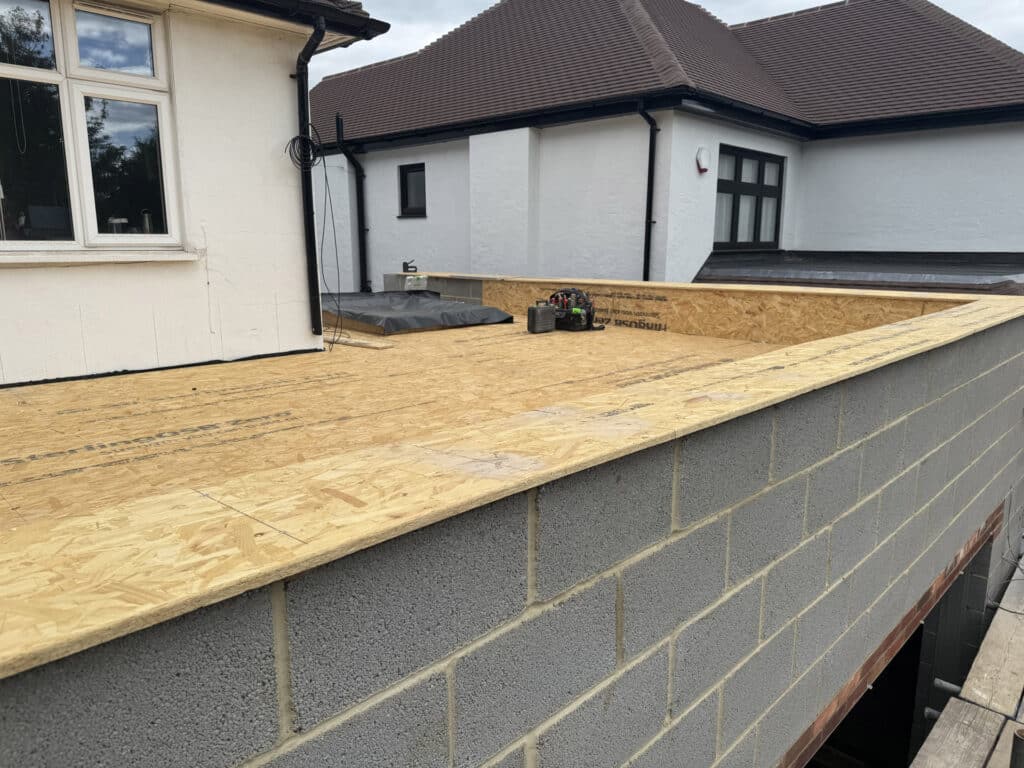
A garden office or small home office extension can involve more preparation, including groundwork, base construction, external finishes, service routes, electrics, heating and weatherproofing. TRM Innovations Ltd provides free estimates based on your property, how the office will be used and the finish you want. Contact the team for practical guidance before deciding whether a spare room, garage conversion, loft space, garden room or extension is the best option.
The best way depends on your property, budget and how often the office will be used. Some homes suit a spare room refurbishment, while others work better with a garage conversion, loft conversion, garden office or small extension.
TRM Innovations Ltd can look at the space available and advise which option is most practical for your home.
Yes, a garage can often be converted into a comfortable office if the structure is suitable. The work may include insulation, flooring, plastering, heating, electrics, lighting, ventilation and replacing the garage door with a wall and window.
A garage office can be a strong option because it creates separation from the main living areas while still being connected to the home.
A loft can sometimes be turned into a home office, depending on head height, roof structure, access, insulation, fire safety and Building Regulations requirements.
If the loft is not suitable for a full conversion, there may still be other options such as improving a spare room, garage or garden space.
Planning permission depends on the type of home office being created. Internal room refurbishments usually do not need planning permission, while garden offices and extensions need to be checked against permitted development rules.
Planning may be required if the building is too large, too tall, forward of the house, used as sleeping accommodation, in a restricted area or affects the appearance of the property.
Some smaller detached garden offices may not need Building Regulations approval if they meet the relevant size, boundary and use conditions and contain no sleeping accommodation.
Larger buildings, buildings close to boundaries, offices with plumbing or more complex construction may need closer checking. It is best to confirm this before work starts.
The cost depends on the type of space being created. A simple room refurbishment will normally cost less than a garage conversion, loft conversion, garden office or extension.
Costs can be affected by insulation, electrics, heating, flooring, storage, windows, internet access, plastering, decoration and whether structural work is needed.
Yes, TRM Innovations Ltd can discuss garden office options where the property has suitable outdoor space. A garden office needs to be planned around size, access, foundations, insulation, electrics, heating, drainage, security and weatherproofing.
The team can also help check whether a garden office is likely to fall under permitted development or whether planning advice is needed.
Yes, a spare bedroom can often be refurbished into a practical office with better lighting, sockets, flooring, decoration and storage.
This is usually one of the least disruptive ways to create a home workspace, especially if the room already has heating, windows and easy access.
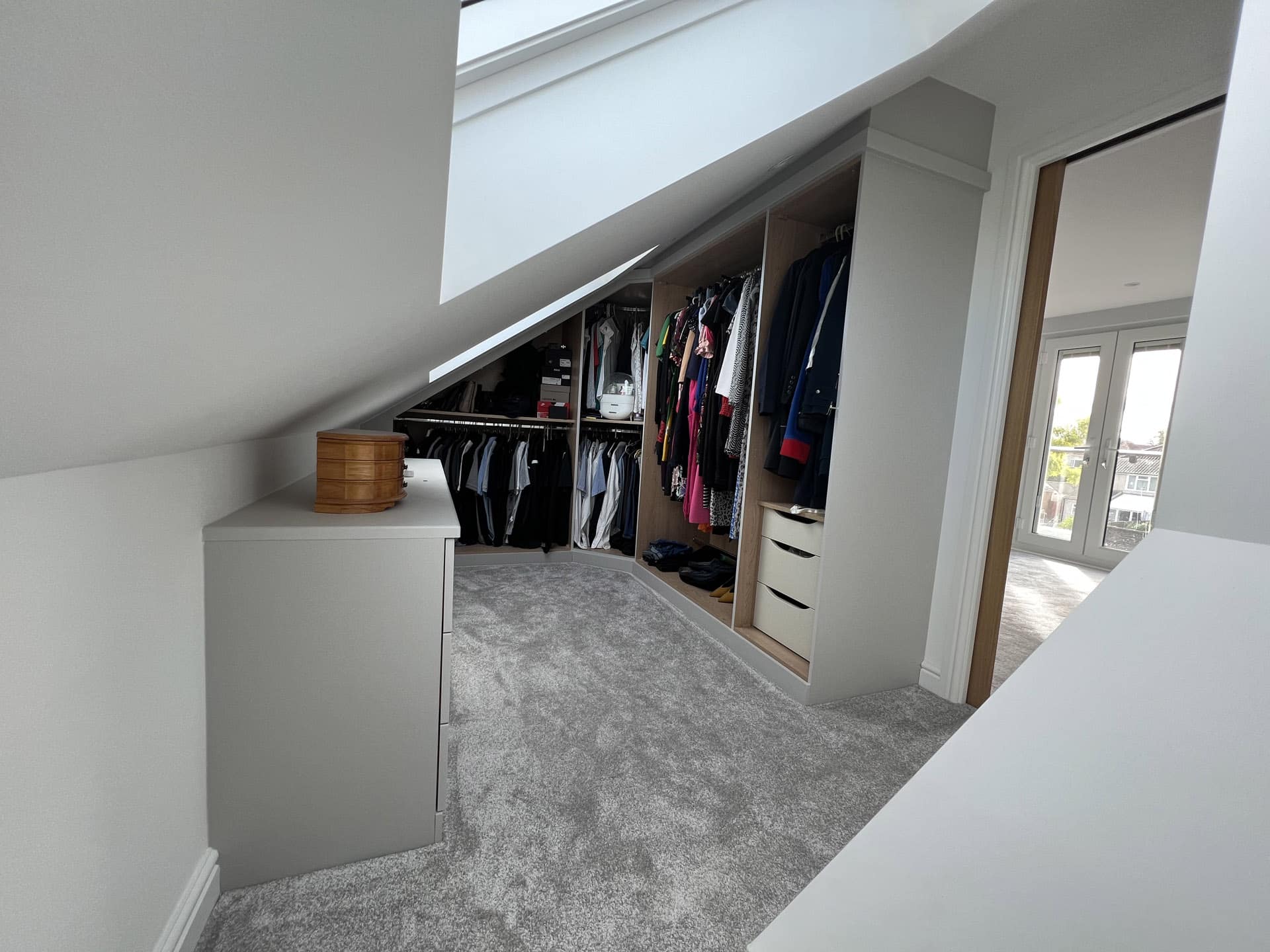
Yes, built-in storage can make a home office much easier to use. Shelving, cupboards, desk areas and cable management can help keep the room tidy and suitable for daily work.
Storage is especially useful in small offices where the same space may also need to hold paperwork, printers, equipment or household items.
A good home office should include enough sockets, suitable lighting, comfortable heating, reliable internet access, ventilation, storage and a layout that supports how you work.
It should also feel separate enough to focus, particularly if the home is busy during working hours.
Sound can often be reduced with better doors, insulation, wall upgrades, flooring choices and careful layout. Full soundproofing can be more involved, but noise control can still make the room much more comfortable.
This is useful for video calls, private work, studying or reducing distractions from the rest of the house.
Timescales vary depending on the type of project. A spare room refurbishment may be relatively quick, while a garage conversion, loft conversion, garden office or extension will usually take longer.
The schedule can be affected by structural work, electrics, plastering, heating, flooring, windows, inspections and chosen finishes.
A well-designed home office can make a property more useful and attractive, especially as many buyers now want flexible working space.
The value depends on the quality of the work, whether the room can be used for other purposes and how well it fits the rest of the home.
A room can sometimes be designed to work as both an office and occasional guest room, using fitted storage, a sofa bed or a flexible layout.
However, if a detached garden building is intended for sleeping accommodation, planning and Building Regulations requirements may be different and should be checked carefully.
Most home offices benefit from extra sockets because computers, monitors, printers, chargers, lighting and internet equipment can quickly overload a poorly planned room.
It is better to plan electrics before plastering, decoration or fitted furniture so cables and sockets are positioned properly.
Yes, internet access can often be improved with better cabling, data points, Wi-Fi planning or routes for connection to a garden office.
This should be considered early because a home office needs reliable connectivity for video calls, online systems and everyday work.
Yes, a home office can be included as part of a wider refurbishment. This may involve changing room layouts, improving unused areas, upgrading flooring, adding storage or making better use of a garage or loft.
TRM Innovations Ltd specialises in refurbishments as well as extensions and kitchens, so connected work can be planned together.
A garage office may be better if you want the workspace connected to the house and already have a suitable garage. It can also avoid taking up garden space.
A garden office may be better if you need more separation from the home, have enough outdoor space and want a dedicated standalone workspace.
Yes. TRM Innovations Ltd is based in Bexleyheath and covers Dartford along with surrounding areas across Bexley, South East London and nearby Kent.
This includes Welling, Sidcup, Bexley, Blackfen, Erith, Crayford, Abbey Wood, Eltham, Chislehurst, Bromley and Greenwich where suitable.
TRM Innovations Ltd has been running since 2014 and specialises in extensions, refurbishments and kitchens. That experience is useful when creating a home office because the space needs to work practically, look finished and fit naturally into the property.
The team provides free estimates, local building knowledge and clear advice for homeowners across Bexleyheath, Dartford and surrounding areas.